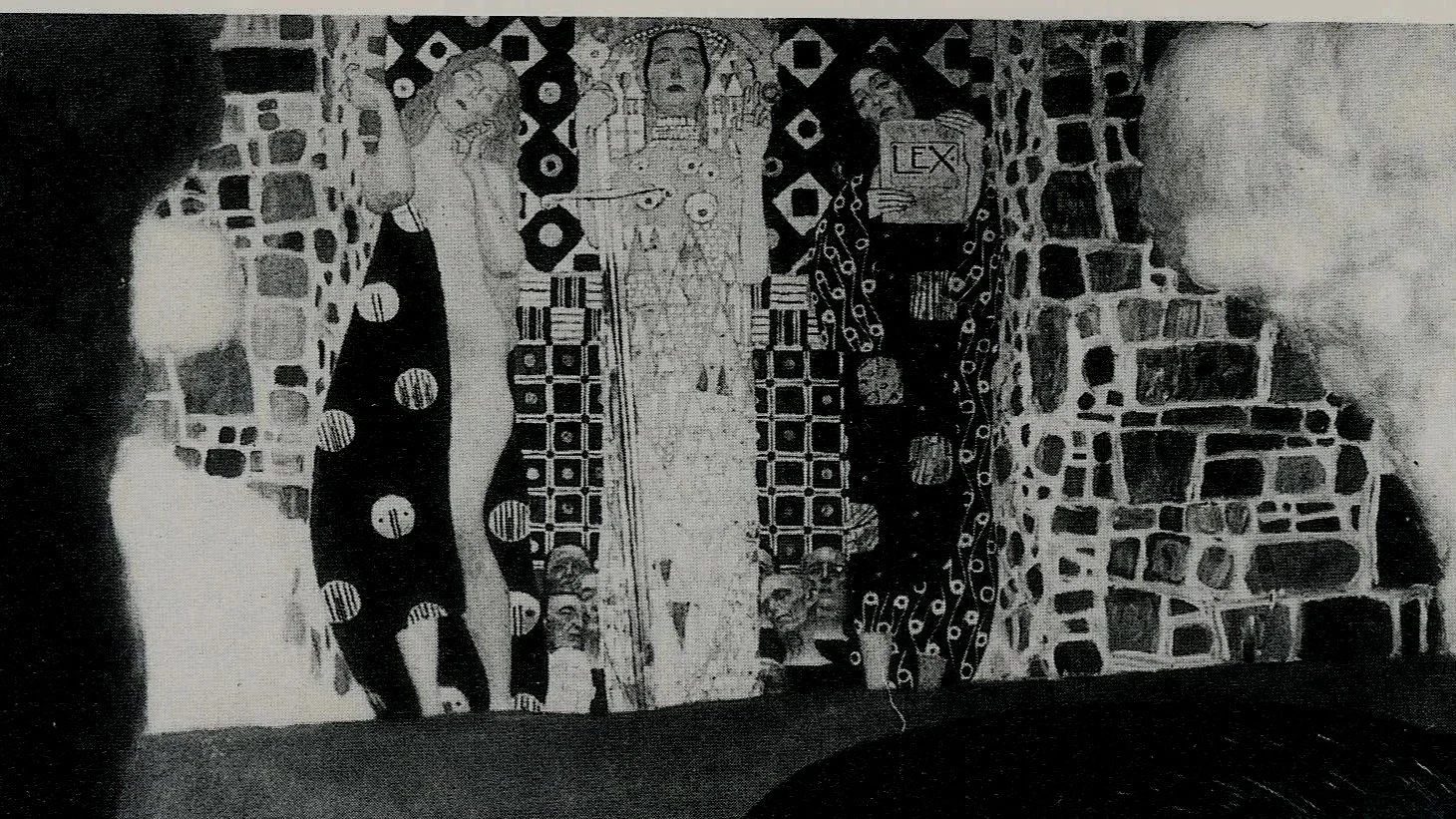
EVIL LAW:
Towards a Jurisprudence of Extreme Moral Iniquity
Hart Publishing (forthcoming)
This book examines the link between law and immorality, providing the first comprehensive account of extremely morally iniquitous, or ‘evil’, law. In pursuit of that goal, it consolidates existing philosophical discussions on the subject and enriches those debates by testing the relevant arguments against evil laws in the two archetypal 20th-century dictatorships: Nazi Germany and Stalin’s Soviet Union. The book opens by defining evil law as law that, if interpreted in its best light, will cause or enable the infliction of intolerable harm, including atrocities, if not pre-empted by external factors. From that starting point, it addresses the following questions: whether evil law is truly law, why law proves useful to evil regimes, what rights and obligations we have in response to it, and how we can resist such law in practice. In answering those questions, this book pushes back against doubts that evil law is either not distinct enough or too different from more ordinary types of law to warrant jurisprudential treatment. Instead, it advances a legal-positivist argument that emphasises the distinctly legal nature of evil law while not discounting its many normative implications – up to the ultimate duty of resistance. Interdisciplinary in its scope, Evil Law appeals to scholars and students of jurisprudence, moral and political philosophy, and legal history, as well as others interested in the interplay between law and evil. Its contribution matters both theoretically, deepening our understanding of evil law, and practically, suggesting whether and how we should respond to it.
It builds on my Ph.D. thesis, ‘Towards a Jurisprudence of Evil Law’.